 +91-9667229022| +91-9811604479

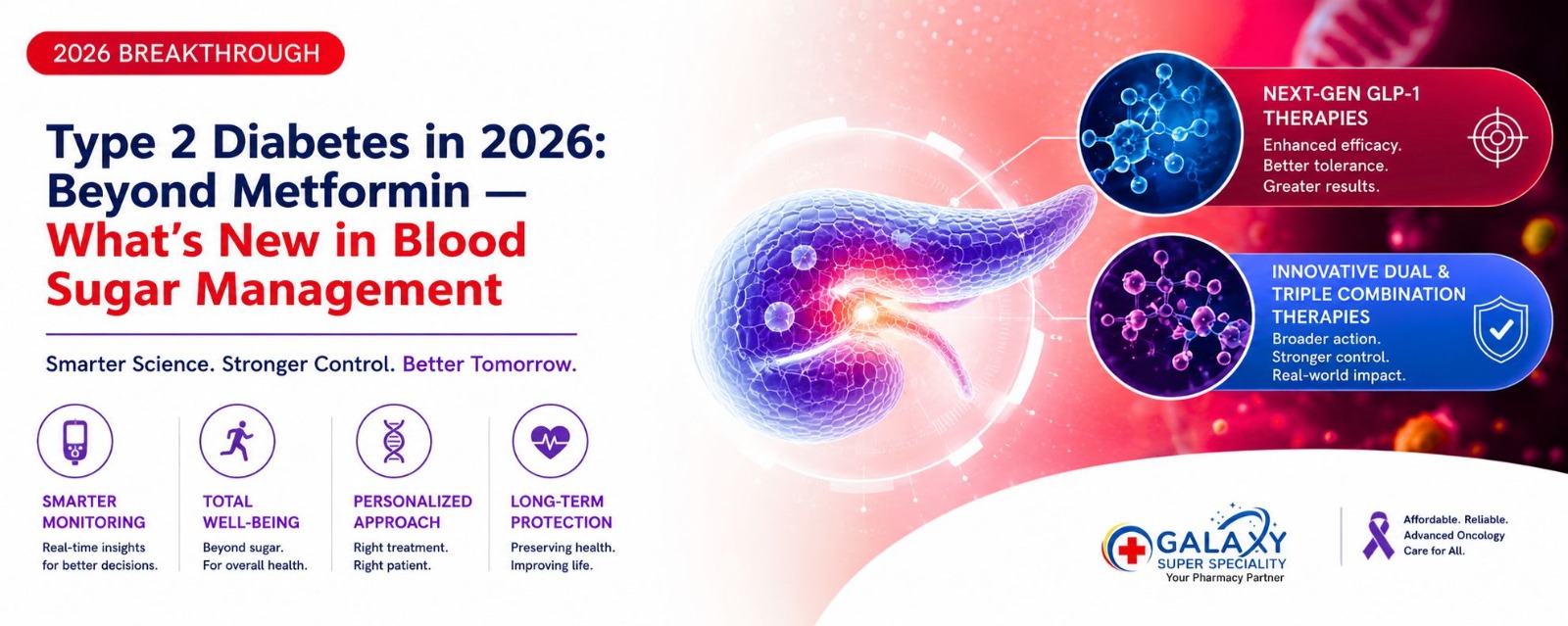 Type 2 diabetes treatment in 2026 is becoming increasingly personalized. While metformin remains an important and widely used medicine for many people, modern diabetes care now goes far beyond simply lowering blood glucose.
Today, doctors may consider medications that also address weight, cardiovascular health, kidney protection, liver health, hypoglycemia risk and individual treatment preferences.
The latest American Diabetes Association Standards of Care emphasize person-centered treatment and recommend selecting glucose-lowering therapies according to the individual’s health profile and treatment goals.
Is Metformin Still Important in 2026?
Yes.
Metformin remains a commonly used medication for Type 2 diabetes because it is effective, widely available and generally well established.
However, it is no longer accurate to think of diabetes treatment as a simple sequence of “metformin first, then everything else.”
For some people, another medication may be appropriate from the beginning because of existing cardiovascular disease, kidney disease, heart failure, obesity or other health considerations.
The 2026 ADA guidance specifically recommends a person-centered approach when choosing glucose-lowering medication rather than relying on a single standard treatment pathway.
What Has Changed in Type 2 Diabetes Treatment?
One of the biggest changes is the growing emphasis on treating the whole metabolic picture, rather than focusing only on blood glucose.
Modern treatment decisions may consider:
- Blood sugar control
- Body weight
- Cardiovascular risk
- Kidney health
- Liver health
- Risk of hypoglycemia
- Medication side effects
- Cost and access
- Patient preferences
This means two people with the same Type 2 diabetes diagnosis may appropriately receive different treatment plans.
The Rise of GLP-1-Based Therapies
GLP-1 receptor agonists have become an important part of modern diabetes management.
These medicines can improve blood glucose levels and, depending on the specific medication, may also support weight management and provide cardiovascular or kidney benefits.
The 2026 ADA Standards state that GLP-1-based therapy is preferred to insulin for initial or add-on glucose-lowering treatment in adults with Type 2 diabetes who do not have severe hyperglycemia.
For people with diabetes and overweight or obesity, medications with beneficial effects on weight are increasingly prioritized. The 2026 ADA guidance identifies semaglutide and tirzepatide among the higher-efficacy options for weight management in appropriate patients.
However, these medicines are not suitable for everyone, and treatment decisions should be made with a qualified healthcare professional.
What Are Dual GIP and GLP-1 Therapies?
A newer development is the use of medications that act on more than one metabolic pathway.
Tirzepatide, for example, is a dual GIP and GLP-1 receptor agonist.
By acting on these pathways, such therapies can provide substantial glucose-lowering and weight-management effects in appropriate patients.
The 2026 ADA Standards recognize dual GIP/GLP-1 therapy as a high-efficacy option for selected people with Type 2 diabetes and discuss its use in combination treatment strategies.
The goal is not simply to use the newest medicine.
The goal is to select the treatment that provides the right balance of effectiveness, safety, tolerability and long-term health benefits for the individual.
SGLT2 Inhibitors: Beyond Blood Sugar Control
Another important class is SGLT2 inhibitors.
These medicines help lower blood glucose by increasing glucose excretion through the kidneys. But their role in modern diabetes care extends beyond glucose management.
For people with Type 2 diabetes who have established or high cardiovascular risk, heart failure or chronic kidney disease, certain SGLT2 inhibitors can provide important cardiovascular or kidney benefits.
The 2026 ADA Standards recommend SGLT2 inhibitors and/or GLP-1 receptor agonists with demonstrated benefits for appropriate patients with cardiovascular disease or high cardiovascular risk, heart failure or chronic kidney disease.
This represents a major shift in thinking:
Diabetes medicines are increasingly selected for the health outcomes they can influence—not just their effect on blood sugar.
Combination Therapy Is Becoming More Important
Type 2 diabetes is a progressive condition for many people, and one medicine may eventually be insufficient to maintain individualized treatment goals.
Combination therapy can involve using medicines with complementary mechanisms.
For selected patients, combinations may include:
- Metformin + GLP-1 receptor agonist
- Metformin + SGLT2 inhibitor
- GLP-1-based therapy + SGLT2 inhibitor
- Basal insulin + GLP-1-based therapy
- Other individualized combinations
The 2026 ADA Standards state that initial combination therapy can be considered in some adults to help reach individualized glycemic goals more quickly.
However, more medicines do not automatically mean better care. Every additional medication brings considerations such as cost, side effects, interactions and treatment burden.
Diabetes Treatment Is Becoming More Personalized
One of the most important developments in modern diabetes care is personalization.
A treatment plan may be influenced by whether a person has:
Cardiovascular Disease
Certain GLP-1 receptor agonists and SGLT2 inhibitors have demonstrated cardiovascular benefits and may be prioritized in appropriate patients.
Kidney Disease
For people with Type 2 diabetes and chronic kidney disease, certain SGLT2 inhibitors or GLP-1 receptor agonists may provide kidney and cardiovascular benefits in addition to glucose management.
Heart Failure
SGLT2 inhibitors have an established role in reducing heart-failure-related hospitalization in appropriate patients with Type 2 diabetes and heart failure.
Overweight or Obesity
Weight management can be an important treatment goal. The choice of glucose-lowering medication may therefore take its effects on body weight into account.
Liver Disease
The relationship between diabetes and metabolic liver disease is also increasingly recognized. The 2026 ADA Standards include specific considerations for people with Type 2 diabetes and MASLD/MASH.
Is Insulin Still Necessary?
Absolutely.
Despite advances in non-insulin therapies, insulin remains an important and sometimes essential treatment for Type 2 diabetes.
The ADA recommends considering insulin when severe hyperglycemia is present, particularly when blood glucose is very high, A1C is above 10%, or symptoms of significant hyperglycemia or catabolism are present.
For people who require insulin, combining it with a GLP-1 receptor agonist or dual GIP/GLP-1 therapy may provide additional glucose-lowering and weight-related benefits in appropriate circumstances.
The right question is therefore not “Is insulin old-fashioned?”
It is:
“What treatment is medically appropriate for this individual at this stage of diabetes?”
Technology Is Changing Diabetes Management Too
Medication is only one part of modern diabetes care.
Technology is increasingly helping people and healthcare professionals understand glucose patterns.
Depending on the patient’s needs, diabetes management may incorporate:
- Continuous glucose monitoring
- Connected glucose meters
- Digital health platforms
- Remote monitoring
- Structured lifestyle programs
- Diabetes self-management education
These tools can provide additional information about glucose patterns and help support treatment decisions.
However, technology should complement—not replace—professional medical care.
What Does “Better Control” Really Mean?
Modern diabetes care is increasingly moving away from viewing blood glucose as the only measure of success.
A successful treatment plan may aim to achieve appropriate glucose targets while also:
- Reducing cardiovascular risk
- Protecting kidney function
- Supporting healthy weight
- Minimizing hypoglycemia
- Improving quality of life
- Reducing treatment burden
- Supporting long-term health
This broader approach is reflected in the 2026 ADA treatment recommendations.
What Should Patients Do Before Changing Medication?
Diabetes medication should never be started, stopped or changed based solely on information from an online article.
Before changing treatment, a doctor may need to review:
- Current HbA1c
- Blood glucose patterns
- Kidney function
- Weight
- Blood pressure
- Cardiovascular history
- Other medications
- Side effects
- Lifestyle
- Treatment preferences
- Cost and accessibility
Regular reassessment is important because treatment needs can change over time. The 2026 ADA Standards recommend reviewing medication plans at regular intervals and adjusting them when needed.
Diabetes Care at Galaxy Super Speciality
At Galaxy Super Speciality, diabetes care focuses on more than simply monitoring blood sugar.
Our approach emphasizes appropriate evaluation, individualized treatment planning, lifestyle guidance and monitoring of the broader health conditions that can accompany Type 2 diabetes.
If you are living with Type 2 diabetes and feel that your current treatment is no longer meeting your goals, speak with a qualified diabetes or endocrinology specialist before making changes to your medication.
Take the Next Step Toward Smarter Diabetes Care
The future of Type 2 diabetes management is not about abandoning older medicines simply because newer ones exist.
It is about having more options—and using them intelligently.
From metformin and SGLT2 inhibitors to GLP-1 receptor agonists and dual GIP/GLP-1 therapies, today’s treatment landscape allows doctors to consider a wider range of factors when building an individualized plan.
Smarter treatment. Better monitoring. More personalized care.
At Galaxy Super Speciality, our specialists can help you understand your diabetes treatment options based on your individual health needs.
Because better diabetes care isn’t just about lowering sugar. It’s about protecting your health for the years ahead.
Frequently Asked Questions
Is metformin still used for Type 2 diabetes in 2026?
Yes. Metformin remains an important and commonly used treatment. However, the best medication plan depends on the individual’s glucose goals, cardiovascular and kidney health, weight, side effects, cost and preferences.
What are GLP-1 medicines used for in diabetes?
GLP-1 receptor agonists can lower blood glucose and, depending on the medicine and patient, may also support weight management and provide cardiovascular or kidney benefits.
What is tirzepatide?
Tirzepatide is a dual GIP and GLP-1 receptor agonist used for appropriate patients with Type 2 diabetes and also for chronic weight management in eligible patients.
Are GLP-1 medicines better than metformin?
Not necessarily. Different medicines have different roles, benefits, risks and indications. The appropriate treatment depends on the patient’s individual health profile and treatment goals.
Can Type 2 diabetes require more than one medicine?
Yes. Combination therapy is common, particularly when one medication does not adequately achieve or maintain individualized treatment goals.
Do SGLT2 inhibitors only lower blood sugar?
No. Certain SGLT2 inhibitors have demonstrated cardiovascular and kidney benefits in appropriate people with Type 2 diabetes, including those with heart failure or chronic kidney disease.
Will everyone with Type 2 diabetes need insulin?
No. Insulin is an important treatment option, but it is not required by everyone with Type 2 diabetes. It may be particularly important when hyperglycemia is severe or other treatments are insufficient.
Should I change my diabetes medicine based on new 2026 treatments?
No. New treatment options do not mean everyone should switch medication. Discuss any potential treatment change with your doctor, who can assess your individual risks, benefits and treatment goals.
Conclusion
Type 2 diabetes treatment in 2026 offers more choices than ever before.
Metformin remains valuable, but modern diabetes care increasingly includes GLP-1-based therapies, SGLT2 inhibitors, dual GIP/GLP-1 therapies and carefully selected combination approaches.
The most important development, however, may not be a single new medicine.
It is the move toward person-centered diabetes care—choosing treatment based on blood sugar, weight, cardiovascular health, kidney health, liver health, treatment burden, affordability and individual preferences.
The future of diabetes care isn’t one treatment for everyone. It’s the right strategy for the right person.