 +91-9667229022| +91-9811604479


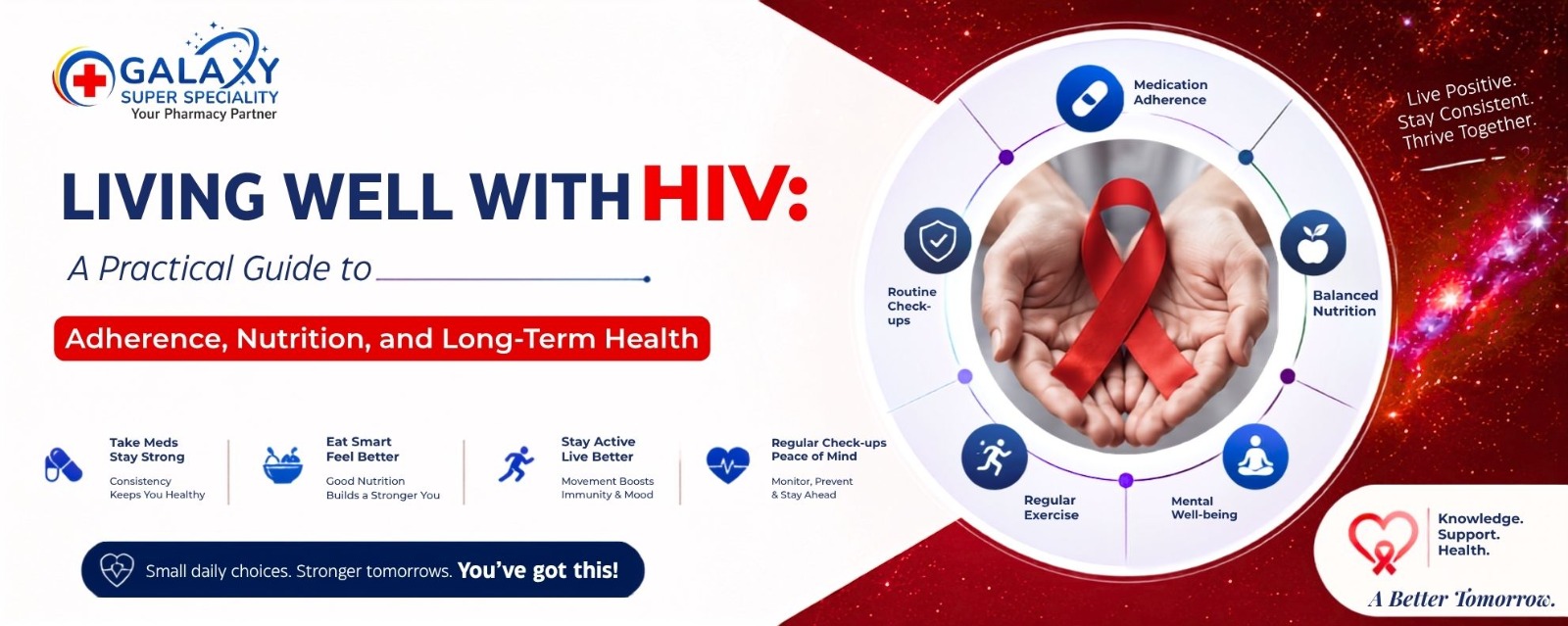 Living well with HIV is increasingly possible because effective antiretroviral therapy (ART) has transformed HIV from a condition that once carried a very different prognosis into a manageable chronic health condition for many people who have sustained access to effective treatment. With appropriate care and adherence, people living with HIV can live long and healthy lives.
But good HIV care involves more than taking medication.
Long-term health also depends on regular medical follow-up, monitoring viral load, maintaining healthy lifestyle habits, supporting mental well-being and managing other health conditions.
What Does It Mean to Live Well With HIV?
Living well with HIV means actively managing your health while working with an HIV healthcare team.
Modern HIV care focuses on several interconnected goals:
- Maintaining effective HIV treatment
- Achieving and sustaining viral suppression
- Supporting immune health
- Monitoring for other health conditions
- Maintaining healthy nutrition and physical activity
- Supporting mental and emotional well-being
- Staying connected to regular healthcare
The goal is not simply to control HIV.
It is to support overall health and quality of life for the long term.
1. Take HIV Medicines Exactly as Prescribed
One of the most important aspects of HIV treatment is medication adherence.
Antiretroviral therapy works by preventing HIV from multiplying effectively in the body. When treatment is taken consistently and remains effective, viral load can fall to very low or undetectable levels.
Current NIH HIV guidelines recommend ART for all people with HIV and advise starting treatment as soon as possible after diagnosis. Once effective ART is started, it should generally be continued indefinitely unless the treatment regimen is changed under medical supervision.
Why Consistency Matters
Missing doses repeatedly or interrupting treatment can allow HIV to multiply again.
Poor or inconsistent adherence can also contribute to treatment failure and the development of drug resistance, which may limit future treatment options.
Simple strategies can make adherence easier:
- Take medicines at the same time each day
- Use phone reminders or alarms
- Keep medications in a consistent location
- Plan refills before your supply runs out
- Carry medication when travelling
- Tell your healthcare team if side effects make treatment difficult
If taking medication consistently is becoming difficult, speak with your HIV care team rather than stopping treatment on your own.
2. Understand Your Viral Load
Viral load is an important measurement in HIV care.
It indicates how much HIV is present in the blood and helps healthcare professionals assess how effectively treatment is controlling the virus.
The goal of ART is sustained viral suppression. Regular viral-load testing helps the healthcare team determine whether treatment is working effectively.
What Does “Undetectable” Mean?
An undetectable viral load means the amount of HIV in the blood is below the detection limit of the test being used.
Importantly, undetectable does not mean HIV has been cured.
It means treatment is successfully suppressing the virus to a very low level.
People who maintain a viral load below 200 copies/mL while taking ART as prescribed do not sexually transmit HIV to their partners. This is commonly summarized as U=U — Undetectable = Untransmittable.
3. Keep Regular Medical Check-Ups
HIV care is a long-term partnership between the patient and healthcare team.
Regular appointments can help doctors monitor:
- Viral load
- CD4 cell count when clinically appropriate
- Medication effectiveness
- Possible drug side effects
- Kidney and liver health
- Blood pressure
- Blood glucose
- Cholesterol
- Other infections
- Other chronic health conditions
Regular monitoring can help identify changes early and allow treatment to be adjusted when necessary.
The WHO’s updated HIV service-delivery guidance also emphasizes integrating care for conditions such as hypertension, diabetes and mental health into HIV services.
4. Eat for Long-Term Health
There is no special “HIV diet” that works for everyone.
Instead, people living with HIV can generally benefit from a balanced eating pattern that provides adequate:
- Protein
- Whole grains
- Vegetables
- Fruits
- Healthy fats
- Essential vitamins and minerals
Nutrition needs can vary depending on age, weight, medications, other medical conditions and individual nutritional status.
A healthcare professional or registered dietitian can provide personalized guidance when needed.
WHO emphasizes nutrition, safe water and basic hygiene as important components of comprehensive care for people living with HIV.
5. Stay Physically Active
Regular physical activity can support overall health, cardiovascular fitness, muscle strength, bone health and mental well-being.
For adults, WHO recommends regular physical activity, with general guidance of 150–300 minutes of moderate-intensity aerobic activity per week, or an equivalent amount of vigorous activity, along with muscle-strengthening activities. Individual needs may vary.
You do not necessarily need an intense workout routine.
Activities such as:
- Walking
- Cycling
- Swimming
- Strength training
- Yoga
- Recreational sports
can contribute to an active lifestyle.
If you have another medical condition or have been inactive for a long period, discuss an appropriate exercise plan with your healthcare professional.
6. Look After Your Mental Well-Being
Living with HIV can involve emotional challenges at different stages of life.
People may experience:
- Anxiety
- Depression
- Stress
- Concerns about relationships
- Fear of stigma
- Treatment fatigue
- Social isolation
These experiences should not be ignored.
Mental health support is an important component of comprehensive HIV care. WHO’s recent HIV service-delivery guidance specifically highlights integrating mental-health services, including support for depression, anxiety and substance-use concerns, into HIV care.
Speaking with a qualified mental-health professional, counsellor or trusted healthcare provider can be an important step.
Asking for support is a strength—not a weakness.
7. Don’t Ignore Other Health Conditions
As people with HIV live longer, healthcare increasingly focuses on the same chronic health conditions that affect the wider population.
These may include:
- High blood pressure
- Diabetes
- Cardiovascular disease
- Kidney disease
- Liver disease
- Certain cancers
- Bone-health problems
- Mental-health conditions
Some HIV medicines may also interact with other medications or require additional monitoring.
Tell every healthcare professional you consult that you are taking ART so that potential drug interactions and other considerations can be reviewed.
8. Be Careful With Medicines and Supplements
Not every over-the-counter medicine, herbal product or supplement is automatically safe with HIV treatment.
Some products can interact with antiretroviral medicines and affect their effectiveness or side effects.
Before starting:
- Herbal supplements
- Vitamins in high doses
- Weight-loss products
- Sports supplements
- Over-the-counter medicines
- New prescription medicines
ask your doctor or pharmacist whether they are compatible with your HIV treatment.
9. Protect Yourself From Infections
Effective ART strengthens immune function, but people living with HIV may still need appropriate preventive care.
Depending on individual circumstances, healthcare professionals may recommend:
- Appropriate vaccinations
- Screening for other infections
- Preventive treatment for selected infections
- Safe food and water practices
- Regular health examinations
The exact recommendations depend on factors such as immune status, treatment history, age, lifestyle and other medical conditions.
10. Stay Connected to Your HIV Care Team
One of the most valuable habits in long-term HIV care is simply staying engaged with healthcare.
If you experience problems with:
- Medication adherence
- Side effects
- Cost or access to medicines
- Emotional health
- Stigma
- Transportation
- Appointment scheduling
tell your healthcare team.
NIH guidance specifically recommends identifying and addressing barriers that interfere with ART adherence and continued engagement in HIV care.
You do not have to solve these challenges alone.
The Importance of Viral Suppression
Achieving viral suppression is one of the central goals of HIV treatment.
When ART is effective and taken consistently, viral load can become undetectable, helping preserve immune function and reduce HIV-related illness. Sustained viral suppression also prevents sexual transmission of HIV.
This makes regular treatment and monitoring important for both individual health and public health.
Can People With HIV Live Long, Healthy Lives?
Yes.
Modern HIV treatment has dramatically changed the outlook for people who have access to effective ART and ongoing care.
WHO states that HIV can now be managed as a chronic health condition, allowing people receiving effective treatment to live long and healthy lives.
However, long-term health still requires consistent treatment, monitoring and attention to overall well-being.
HIV treatment is not only about adding years to life—it is also about supporting quality of life.
Living Well With HIV at Galaxy Super Speciality
At Galaxy Super Speciality, our approach to HIV care focuses on evidence-based treatment, regular monitoring, medication adherence and comprehensive long-term health support.
Our healthcare approach recognizes that living well with HIV involves more than controlling the virus.
It also involves supporting:
- Physical health
- Nutrition
- Mental well-being
- Medication adherence
- Prevention and screening
- Management of other health conditions
- Long-term quality of life
If you are living with HIV and have questions about treatment, viral-load monitoring, medication side effects, nutrition or long-term health, speak with a qualified healthcare professional.
A Healthier Future Starts With Consistency
Living with HIV today does not mean putting your life on hold.
With effective treatment and appropriate care, people living with HIV can pursue relationships, careers, families, fitness and everyday goals.
The most important steps are often simple:
Take your medicines. Attend your appointments. Monitor your health. Eat well. Stay active. Ask for support when you need it.
Because HIV care is not only about managing a diagnosis.
It’s about helping you live well—today and for the years ahead.
Frequently Asked Questions
Can people with HIV live a normal life?
With effective ART and ongoing medical care, people living with HIV can live long and healthy lives. HIV is currently manageable as a chronic condition, although there is no cure.
Do people with HIV need to take treatment for life?
Current HIV treatment generally needs to be continued indefinitely to maintain viral suppression and protect health. Treatment regimens can be changed when medically appropriate, but patients should not interrupt ART without guidance from their healthcare team.
What happens if my HIV viral load becomes undetectable?
An undetectable viral load means HIV is suppressed below the detection limit of the test. Maintaining a viral load below 200 copies/mL on effective ART prevents sexual transmission of HIV to partners. This is known as U=U.
Does an undetectable viral load mean HIV is cured?
No. ART suppresses HIV but does not eliminate it from the body. Treatment therefore needs to continue as prescribed.
Can people with HIV exercise?
Yes. Regular physical activity can be part of a healthy lifestyle for people living with HIV. The appropriate type and intensity of exercise should take individual health conditions into account.
Do people living with HIV need a special diet?
There is no single diet that is appropriate for everyone with HIV. A balanced, nutritious diet can support overall health, while individual nutritional needs may require personalized guidance.
Can HIV medicines interact with other medicines?
Yes. Some medicines, supplements and herbal products can interact with antiretroviral therapy. Always tell your doctor or pharmacist about all medicines and supplements you take.
What should I do if I am struggling to take my HIV medicines regularly?
Speak with your healthcare team as soon as possible. They can help identify barriers such as side effects, difficulty remembering doses, access problems or emotional challenges and work with you on solutions.