 +91-9667229022| +91-9811604479


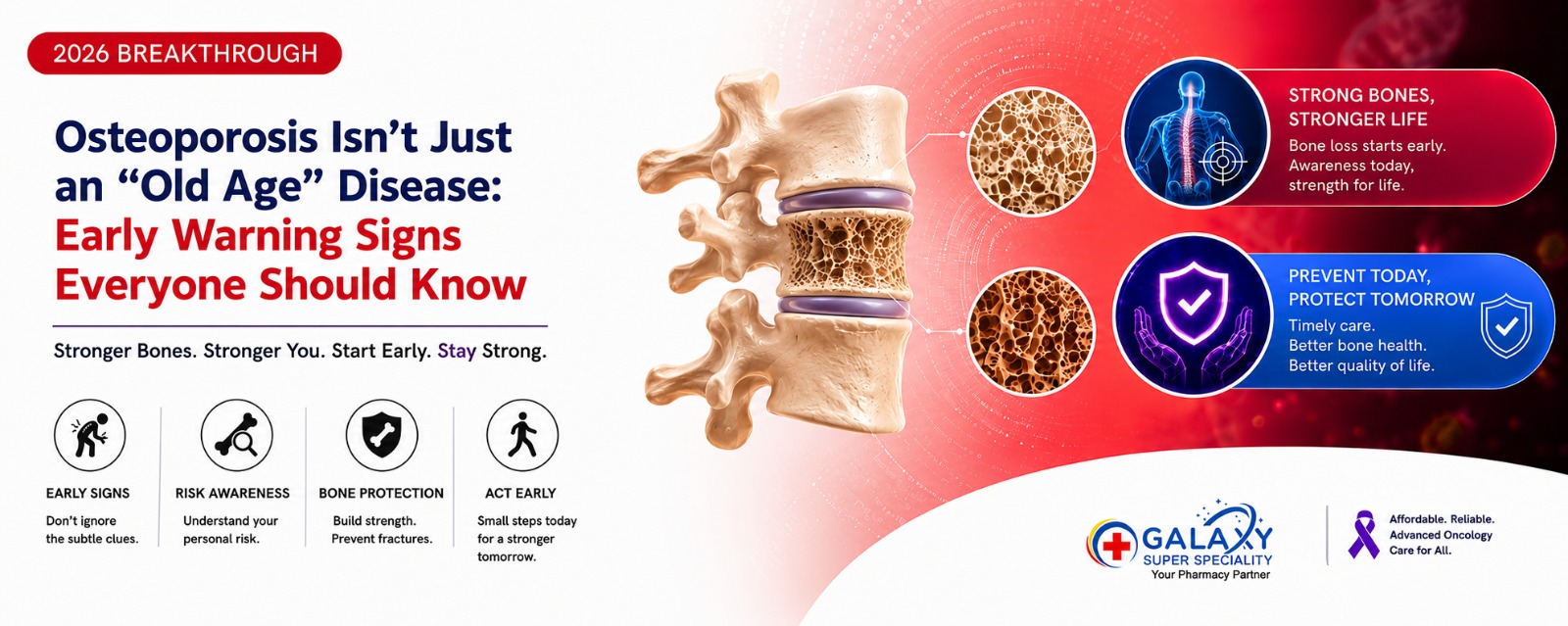 Osteoporosis early warning signs can be difficult to recognize because osteoporosis often develops without obvious symptoms. Many people do not know they have weakened bones until they experience a fracture after a relatively minor fall or injury.
Although the risk of osteoporosis increases with age, bone health is influenced by many factors, including hormonal changes, body weight, family history, smoking, certain medical conditions and long-term use of some medicines.
Recognizing risk factors early and discussing appropriate evaluation with a healthcare professional can help people take informed steps toward protecting their bones.
What Is Osteoporosis?
Osteoporosis is a condition in which bones become weaker and more fragile, increasing the risk of fractures.
Healthy bone is continuously broken down and rebuilt. With osteoporosis, bone loss can outpace bone formation, resulting in reduced bone strength.
The condition can affect different parts of the skeleton, but fractures involving the hip, spine and wrist are among the clinically important consequences of weakened bones. Osteoporotic fractures can affect mobility, independence and quality of life.
Why Osteoporosis Can Go Unnoticed
One of the biggest challenges with osteoporosis is that there may be no noticeable symptoms in its early stages.
Unlike an infection or an acute injury, reduced bone density usually does not produce a clear warning signal.
A person may feel completely well while bone strength is gradually declining.
That is why understanding your individual risk factors and discussing screening with a doctor when appropriate can be more useful than waiting for symptoms to appear.
Osteoporosis Early Warning Signs to Know
While osteoporosis itself may be silent, certain changes can signal bone loss or complications and should not be ignored.
1. Unexpected or Low-Trauma Fractures
A fracture following a minor fall or an activity that would not normally cause a broken bone can be an important warning sign.
A previous fragility fracture can indicate increased future fracture risk and should be discussed with a healthcare professional.
2. Loss of Height
A noticeable reduction in height over time can sometimes be associated with changes in the spine, including vertebral compression fractures.
If you notice a significant change in height, particularly along with back discomfort or changes in posture, medical evaluation may be appropriate.
3. Changes in Posture
A progressively stooped or forward-curved posture can occur when vertebrae become weakened or compressed.
This can sometimes be associated with osteoporosis-related spinal fractures.
4. Persistent Back Pain
Back pain can have many causes, and most back pain is not caused by osteoporosis.
However, sudden or persistent back pain—particularly in someone with risk factors for osteoporosis—should be evaluated by a healthcare professional.
5. Repeated Fractures
Experiencing more than one fracture, particularly after relatively minor trauma, may indicate underlying bone fragility.
Rather than treating each fracture as an isolated injury, doctors may consider whether there is an underlying bone-health problem.
Who Is at Higher Risk?
Age is an important risk factor, but osteoporosis is not exclusively an older person’s condition.
Risk can also be influenced by:
- Being postmenopausal
- Low body weight
- A family history of hip fracture
- Smoking
- Excessive alcohol consumption
- Certain hormonal or endocrine disorders
- Some gastrointestinal and metabolic conditions
- Long-term use of certain medications, including corticosteroids
- Previous fragility fractures
The USPSTF specifically identifies postmenopausal status, low body weight, parental history of hip fracture, cigarette smoking and excess alcohol consumption among risk factors used when assessing osteoporosis risk in younger postmenopausal women.
When Should You Consider a Bone Density Test?
A bone density test can help evaluate bone strength and fracture risk.
Dual-energy X-ray absorptiometry (DXA) is a commonly used method for measuring bone mineral density.
According to the 2025 USPSTF recommendation, women aged 65 years or older should be screened for osteoporosis. For postmenopausal women younger than 65, clinicians may first assess risk factors and then determine whether screening is appropriate.
Recommendations for men are less definitive because the USPSTF currently considers the evidence insufficient to determine the overall benefits and harms of population screening in men. However, men can develop osteoporosis, and individual risk factors or medical conditions may warrant evaluation.
People who have already experienced a fragility fracture or have conditions or medications associated with bone loss may require individualized assessment rather than following routine screening criteria.
How Can You Protect Your Bone Health?
Bone health is influenced by multiple lifestyle and medical factors.
Stay Physically Active
Weight-bearing and muscle-strengthening activities can form an important part of maintaining bone and physical function.
Exercise should be appropriate for your age, health and physical abilities. People with osteoporosis or a history of fractures should discuss suitable exercise with their healthcare professional.
Maintain Adequate Nutrition
Adequate calcium and vitamin D are important for normal bone health.
However, supplementation is not automatically appropriate for everyone. Dietary intake, age, medical conditions, medications and individual fracture risk should be considered before starting supplements.
Avoid Smoking
Smoking is a recognized risk factor associated with osteoporosis and fracture risk.
If you smoke, quitting can contribute to better overall health and may support long-term bone health.
Limit Excessive Alcohol
Excessive alcohol consumption can contribute to poor bone health and increased fracture risk.
Keeping alcohol intake within recommended limits is an important part of a broader healthy lifestyle.
Prevent Falls
For people at increased fracture risk, preventing falls is especially important.
Practical measures can include improving lighting at home, reducing trip hazards, reviewing medications that may affect balance and addressing vision or mobility problems.
What Happens If Osteoporosis Is Diagnosed?
Osteoporosis treatment depends on the individual’s fracture risk, age, medical history, bone density and other factors.
Treatment may include lifestyle measures, fall prevention and prescription medicines when clinically appropriate.
Several medicines are available to reduce fracture risk in people who meet treatment criteria. These include different classes of antiresorptive and bone-building therapies.
Treatment decisions should be individualized and discussed with a qualified healthcare professional.
Can Osteoporosis Be Prevented?
Not every case of osteoporosis can be prevented, because some risk factors—such as age, genetics and hormonal changes—cannot be changed.
However, maintaining healthy lifestyle habits, addressing modifiable risk factors, identifying high-risk individuals and treating osteoporosis when appropriate can help reduce fracture risk.
The goal is not simply to have stronger bones today.
It is to protect mobility, independence and quality of life for the years ahead.
Why Early Awareness Matters
The absence of pain does not necessarily mean that bones are healthy.
Because osteoporosis can remain unnoticed until a fracture occurs, understanding your risk profile is important.
If you have experienced a low-trauma fracture, noticed significant height loss, developed a progressive change in posture, or have multiple risk factors for osteoporosis, speak with a healthcare professional about whether further evaluation is appropriate.
Bone Health Care at Galaxy Super Speciality
At Galaxy Super Speciality, our approach to bone health focuses on appropriate clinical assessment, diagnostic evaluation and individualized care.
If you are concerned about osteoporosis, recurrent fractures, bone weakness or changes in height and posture, our medical team can help assess your concerns and determine whether further evaluation may be appropriate.
Do not wait for a major fracture before taking bone health seriously.
Stronger Bones. Stronger You. Start Early.
Osteoporosis is not simply an inevitable part of getting older.
While some risk factors cannot be changed, early awareness, appropriate assessment and healthy lifestyle choices can make a meaningful difference to long-term bone health.
If you are concerned about your bone health or have risk factors for osteoporosis, speak with a qualified healthcare professional.
Because protecting your bones today can help protect your independence tomorrow.
Frequently Asked Questions
What are the early warning signs of osteoporosis?
Osteoporosis often has no obvious symptoms in its early stages. Unexpected fractures, height loss, changes in posture and certain types of persistent back pain can be clues that require medical evaluation.
Is osteoporosis only a disease of older people?
No. The risk increases with age, but osteoporosis can affect younger people when other risk factors are present, including certain medical conditions, medications, low body weight and hormonal changes.
Who should be screened for osteoporosis?
The 2025 USPSTF recommends screening women aged 65 years and older and recommends risk-based screening for postmenopausal women younger than 65 who are at increased risk. Screening recommendations for men remain less certain and should be individualized.
What is a DXA scan?
A DXA scan is a type of bone mineral density test commonly used to assess bone density and help evaluate osteoporosis and fracture risk.
Can osteoporosis be treated?
Yes. Depending on an individual’s fracture risk and medical circumstances, treatment may include lifestyle measures and prescription medicines that can reduce fracture risk.
Can exercise help protect bones?
Appropriate weight-bearing and muscle-strengthening exercise can be part of a bone-health plan. People with osteoporosis or a history of fractures should seek professional advice about safe exercise choices.
Should I take calcium and vitamin D supplements?
Not everyone needs supplements. Calcium and vitamin D requirements vary by age, diet and individual health circumstances. Speak with a healthcare professional before starting supplements, especially if you have other medical conditions or take medications.
Conclusion
Osteoporosis may be silent, but its consequences do not have to be.
Understanding osteoporosis early warning signs, recognizing personal risk factors and seeking appropriate medical evaluation can help people make informed decisions about their bone health.
Strong bones support a stronger, more independent life. Start taking care of them early.